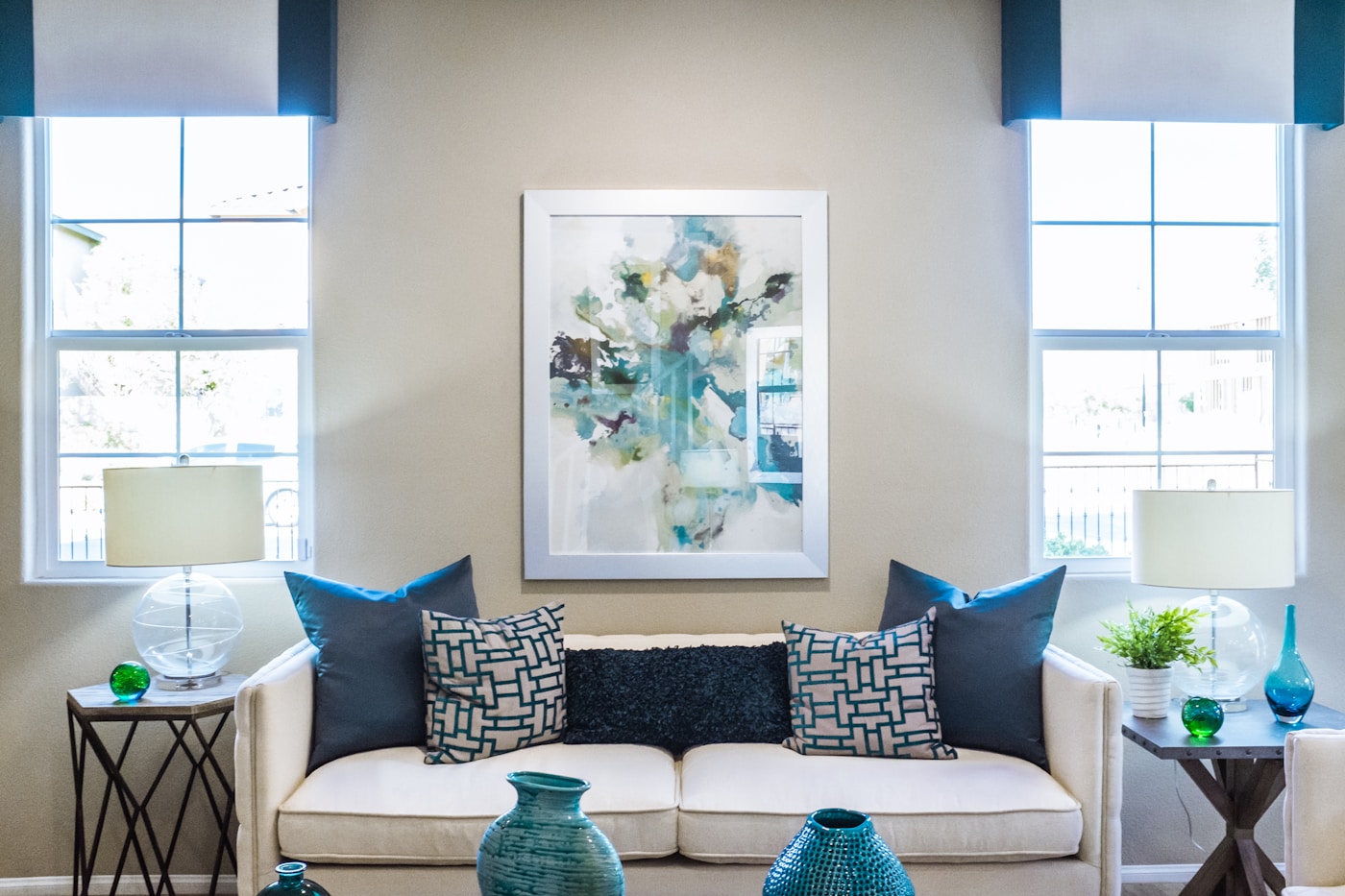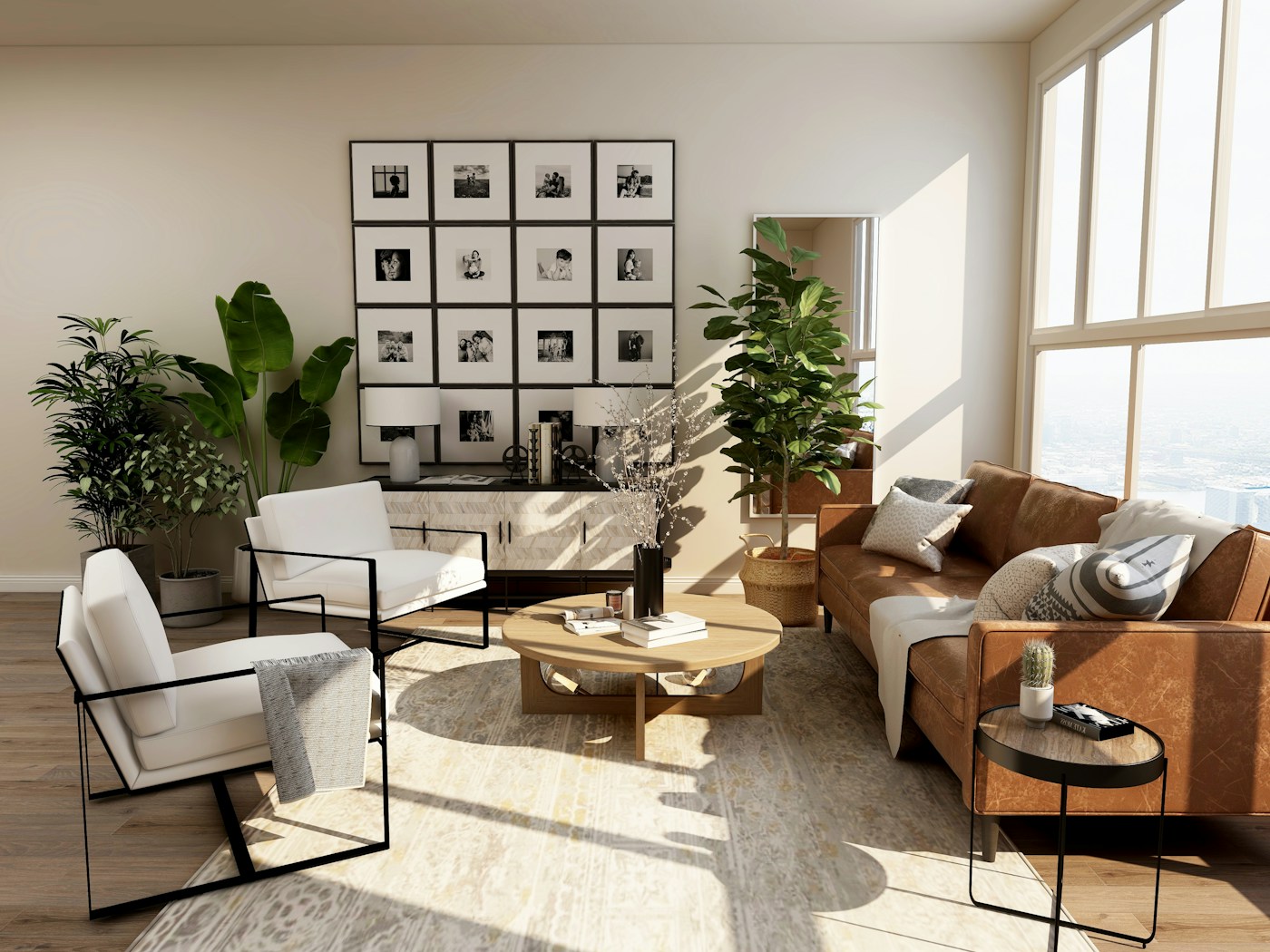
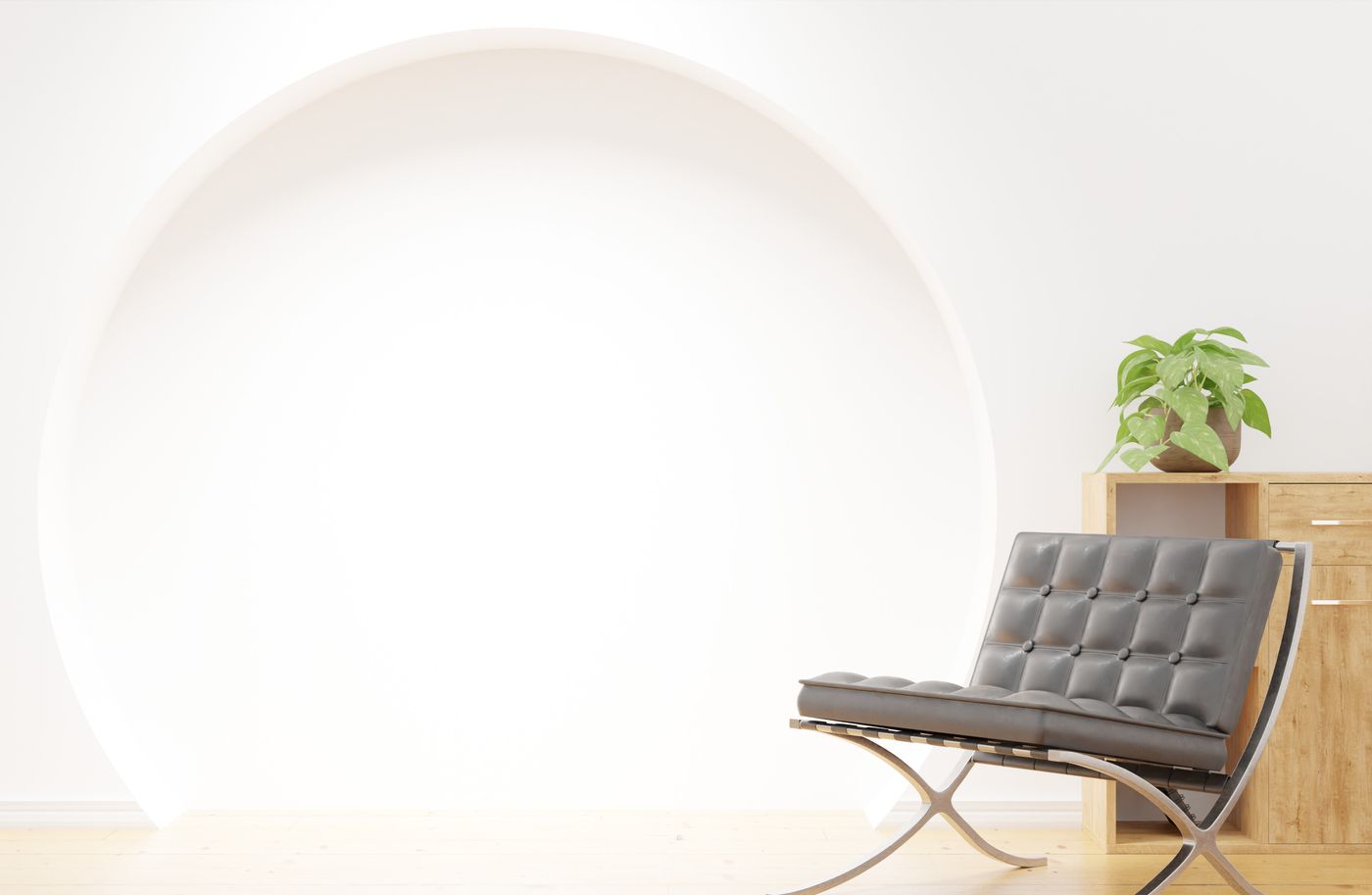
Three years ago, almost no Kolkata client asked for Japandi by name. Today, one in three does. The shift is not just a trend — it is a climate, lifestyle and craft fit.
Why it fits Kolkata
- Humidity-friendly materials — bamboo, oak, paper, linen all season well in a 70%-RH city
- Low-clutter living — a calming counterpoint to dense urban routines
- Warm neutrals — easy on the eye in our soft, diffuse Bengal daylight
- Craft-led — leans on local wood, weaving and ceramics, which Kolkata still excels at
- Naturally cool palette — beige, sand, pale oak and off-white reflect heat
The five Japandi rules
- One wood, repeated — pick oak or walnut. Never both.
- Negative space is a material — leave 30–40% of walls bare
- Low-slung furniture — seat heights 380–420 mm, table heights 320–360 mm
- Texture, not pattern — linen, jute, rattan, raw plaster. Skip floral and geometric prints.
- Imperfection is welcome — wabi-sabi finishes, hand-thrown ceramics, slubbed weaves
Japandi is less an aesthetic and more a question: does this object earn its place?
Materials that work in Kolkata
- Oak veneer with a brushed matte sealer
- Micro-cement floors in warm grey, or beige terrazzo
- Linen-blend upholstery in oat, sand and stone
- Hand-thrown stoneware lamps and bowls
- Rattan and cane in cabinet shutter inlays
- Lime-washed walls — they breathe better than acrylic emulsion
What to avoid
Glossy laminate, chrome handles, busy patterned tiles, ornate brass fixtures, big-shouldered sofas, white veneer. They are the visual equivalent of shouting in a library — and Japandi is a library.

Riya BanerjeePrincipal Designer, Decorlane